
How much does grease trap pumping cost?
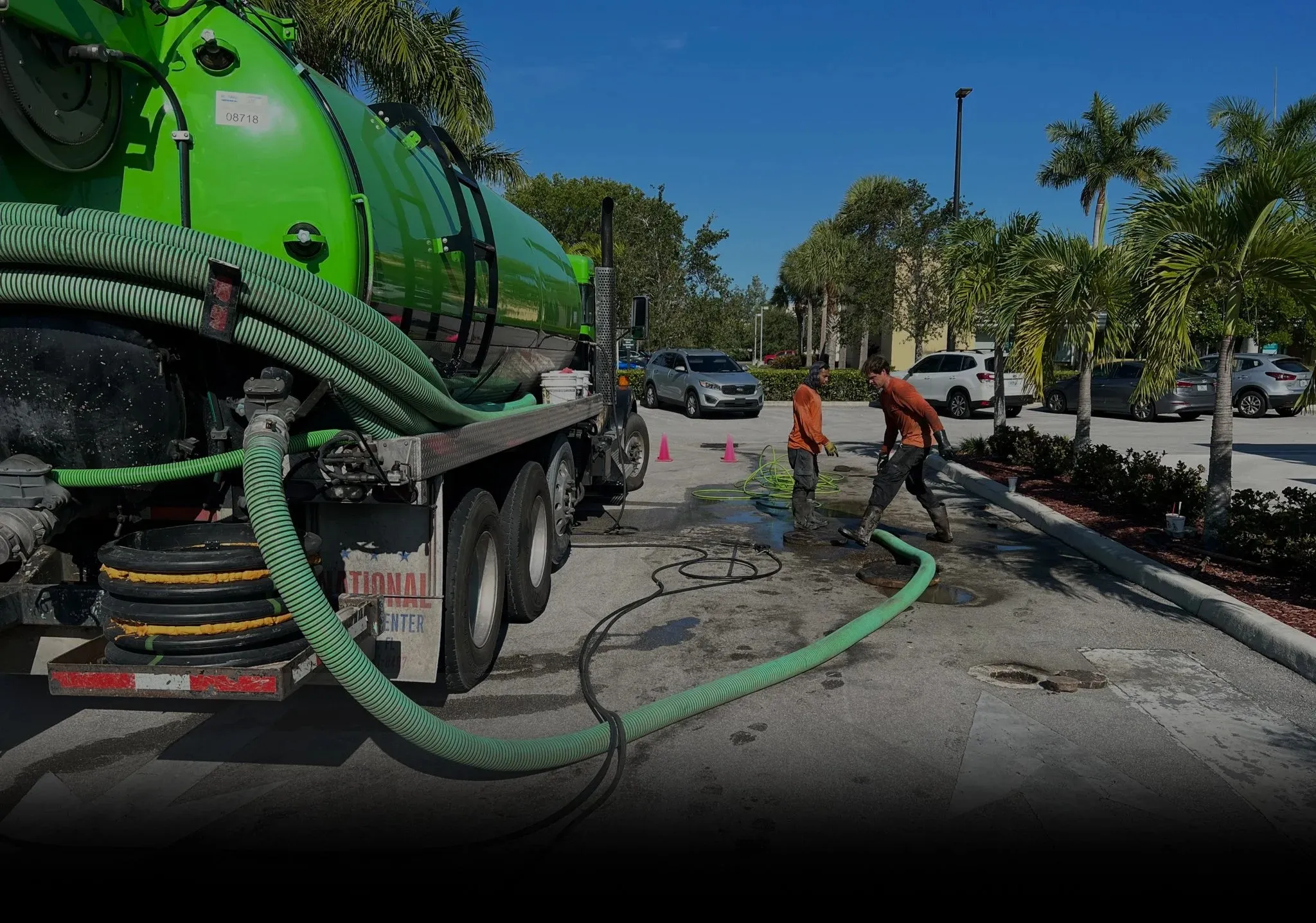
Pricing depends on interceptor size, grease load and how far the truck has to travel. Glendora Porta Pros quotes most jobs using the same service-call structure we use for septic pumping service, so restaurant owners already familiar with our septic tank pumping cost sheet will recognize the format. Expect a day-rate service call plus a separate charge if we have to schedule after hours, and the same day-rate logic shows up on our porta potty rental per day page if you're comparing sanitation costs across a project. A dumpster or roll-off dumpster rental sometimes gets bundled in when a kitchen remodel is happening alongside the pump-out, so ask about combined scheduling if you're already renting a construction dumpster rental for the same project.
| service | duration | low | typical | high |
|---|---|---|---|---|
| septic/grease service call | day | 150 | 250 | 300 |
| septic/grease service call | weekend | 50 | 100 | 150 |
| service fee | day | 100 | 175 | 300 |
| service fee | weekend | 400 | 700 | 1200 |
Weekend and after-hours calls cost more because we're pulling a truck off a route to get to you fast, similar to how emergency porta potty rental works when a jobsite calls at the last minute.
Why does my grease trap need pumping so often?
Grease traps fill faster than most owners expect. The 25 percent rule is the trigger point our crews check on every visit, and once fats and solids cross that line, the trap stops separating grease from wastewater and backups follow fast. A trap that's ignored past that point can back up a floor drain in a Glendora kitchen mid-service, which is worse than any scheduled maintenance cost, the same logic that drives our septic tank pumping cost guidance for homeowners. This is different from a residential setup, where a 1,000 gallon septic tank is typically pumped every 3 to 5 years depending on household size, covered in more detail on our how often to pump a septic tank page. Commercial kitchens run on a much tighter cycle because grease volume, not tank size, drives the schedule, unlike a jobsite renting a standard porta potty rental on a flat weekly cadence. If you're not sure where your trap sits on that curve, our crew can check it during a routine septic tank cleaning stop and tell you honestly if you're overdue.
Do I need an emergency grease trap pumping service?
If grease is backing into a sink or floor drain, yes, call now. Glendora Porta Pros handles emergency grease trap pumping the same way we handle emergency septic service, with trucks that can reach most Glendora addresses same-day. San Dimas sits 4.6 miles southeast of Glendora and Azusa is 4.9 miles west, so crews working those routes, including ones already stocked for porta potty rental in San Dimas or porta potty rental in Azusa, can often swing by a Glendora kitchen without a special trip. Restaurants near the Glendora border with Charter Oak, 4.6 miles south, or La Verne, 5.7 miles east, get the same response window, matching the coverage on our porta potty rental in Charter Oak and porta potty rental in La Verne pages. A backed-up trap is a health code problem as much as a plumbing one, so don't wait for a slow drain to become a closed kitchen. For general portable sanitation questions on the same visit, our FAQ page covers most of what comes up.
What is a grease trap and how is it different from a septic tank?
A grease trap is a smaller interceptor that catches fats, oils and grease before wastewater reaches the sewer or septic system. A septic tank handles all household or building wastewater and is a separate, larger system, the kind of distinction we also explain on our ADA restroom requirements and OSHA portable toilet requirements pages for jobsite sanitation. Restaurants typically need both maintained on different schedules, and our septic tank warning signs page covers signs the septic side needs attention too.
How often should a commercial kitchen schedule grease trap pumping?
Most Glendora kitchens land somewhere between every 4 and 12 weeks, driven by cooking volume and interceptor size rather than a fixed calendar date. High-volume fryers and grills push that cycle shorter, the same way a busy jobsite needs a shorter service interval than what's outlined on our monthly porta potty rental page. We track the fill level at every stop so your schedule adjusts before a backup happens instead of after.
Can grease trap pumping be scheduled after hours?
Yes. Kitchens rarely want a pump-out truck at the back door during lunch rush, so most Glendora accounts book early morning or late evening. Weekend and after-hours calls carry a service premium, similar to weekend rates on our holding tank rental service, since it means pulling a crew off a standard route.
What happens if I skip a scheduled pumping?
Grease and solids build past the 25 percent threshold, the trap stops separating grease properly, and wastewater backs up into floor drains or sinks. That's a health inspection risk on top of the mess, not unlike the risk covered on our porta potty placement guide for jobsites that skip routine service. Catching it early with a routine grease trap pumping visit costs far less than an emergency call and a shut kitchen.
Do you serve areas near Glendora too?
Yes, crews cover Covina, 5.9 miles southwest, along with the other nearby cities listed on our service areas page. If your kitchen sits right on a city line, mention the nearest cross street when you call so we route the closest available truck, or start with a request a quote form if you'd rather line up service before we talk.
Next step
Get a delivery date
Tell us the address, the dates and the headcount. We size the order and confirm the route.