
How Often Does a Septic Tank Need Cleaning?
Most homes fall in that 3 to 5 year window, but it swings hard on two things: tank size and household size. A small tank feeding a big family fills up faster than a large tank feeding two people. That is not a guess, it is just math on solids accumulation over time. If you are not sure which end of the range you are on, get a pump-out scheduled and ask the crew to measure the scum and sludge layers while they are there. That reading tells you your real interval going forward, not just a textbook average, and the same crew can walk you through how often to pump a septic tank questions specific to your setup.
Glendora sits on a mix of older and newer residential lots, and tank age and size vary block to block. A house near San Dimas, 4.6 miles southeast, might run a different system than one closer to Azusa, 4.9 miles west. There is no single answer for every property, whether you are near Covina or closer to La Verne. Septic tank pumping cost in Glendora depends partly on tank size too, so knowing your system helps you budget the visit, not just schedule it.
What Happens If You Wait Too Long?
Waiting past your pump interval backs up solids into the drain field, and that is the expensive failure mode. Slow drains, gurgling pipes, and standing water near the tank are the warning signs, and septic tank warning signs worth watching for in Glendora specifically. Once solids reach the drain field, you are not looking at a routine pump anymore, and this is a different problem than the toilet backups covered in the general portable restroom rental guides. You are looking at field repair or replacement, which costs far more than staying on schedule ever would.
If your system backs up on a weekend or overflows during a family gathering, that is not a wait-and-see situation. Emergency septic service exists for exactly that, and a same-day response beats letting sewage sit in your yard. Homes closer to Charter Oak, 4.6 miles south, and La Verne, 5.7 miles east, deal with the same clay-heavy soil conditions common across this part of the San Gabriel Valley, and slow-draining soil makes backups worse, not better; if you are unsure where your property sits, the service areas page lists the towns nearby.
Do Commercial Systems Follow the Same Schedule?
No. Restaurants and commercial kitchens run on a completely different clock tied to grease, not just solids. A grease interceptor gets pumped once fats, oils, grease and solids reach 25 percent of the liquid depth, which can happen in weeks, not years. That is a volume and usage question, not a calendar question, closer in spirit to tracking dumpster weight limits than to watching a calendar. If you run a kitchen anywhere in Glendora, grease trap pumping needs its own tracking, separate from whatever schedule your residential tank is on.
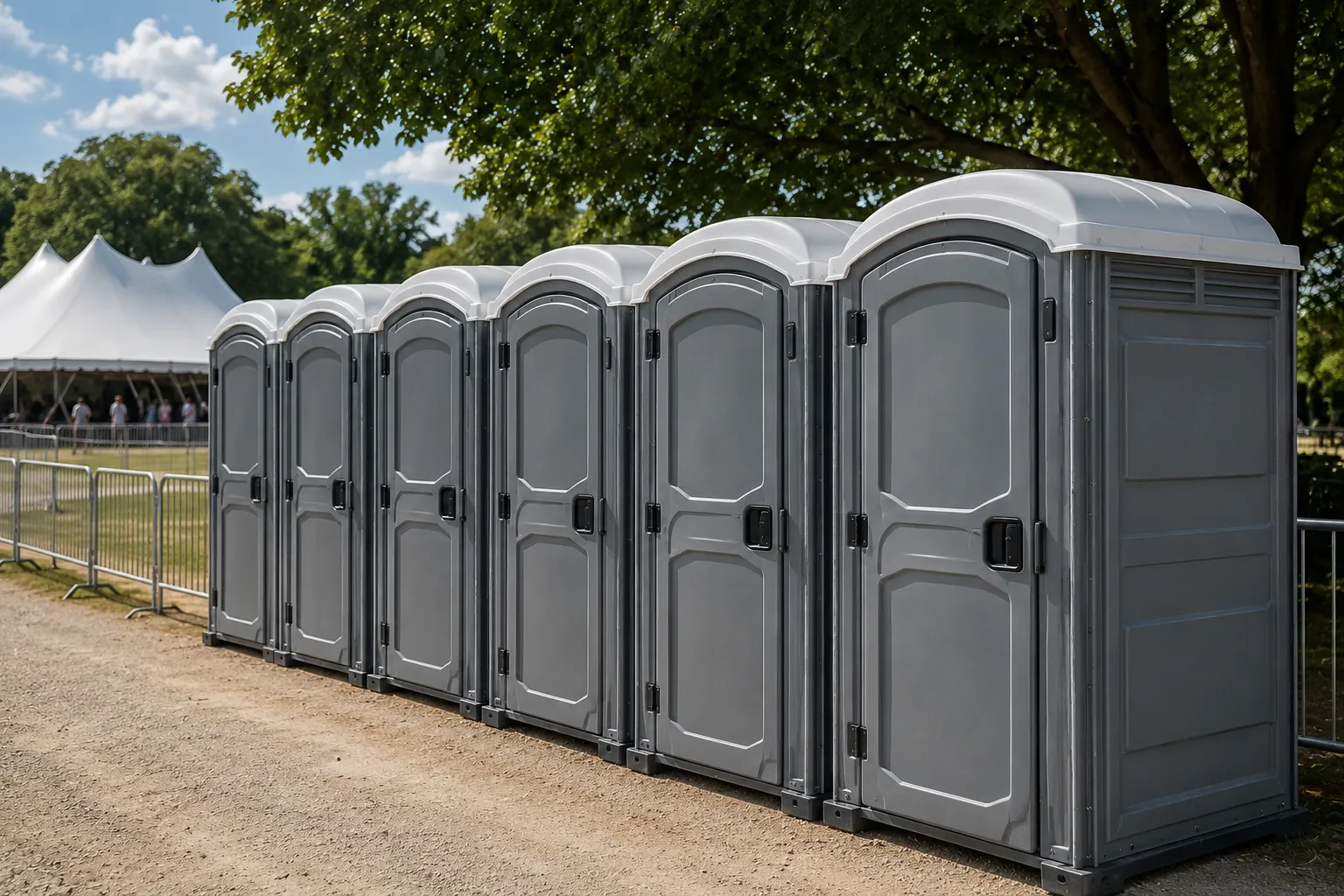
Construction sites and event grounds are different again. They are not usually tied to a fixed tank at all. A jobsite running portable units instead of fixed plumbing needs to meet OSHA 1926.51(c), which sets toilet counts based on crew size, not a pumping calendar, and the OSHA portable toilet requirements page walks through the ratios in full. Construction site services in Glendora typically pair a standard porta potty rental with a regular service route rather than septic pumping at all. If you are running a temporary setup for a home remodel, home renovation porta potty options skip the septic question entirely, and pairing one with a 10 yard dumpster rental covers most small remodel jobs in one visit.
Where Does a Holding Tank Fit In?
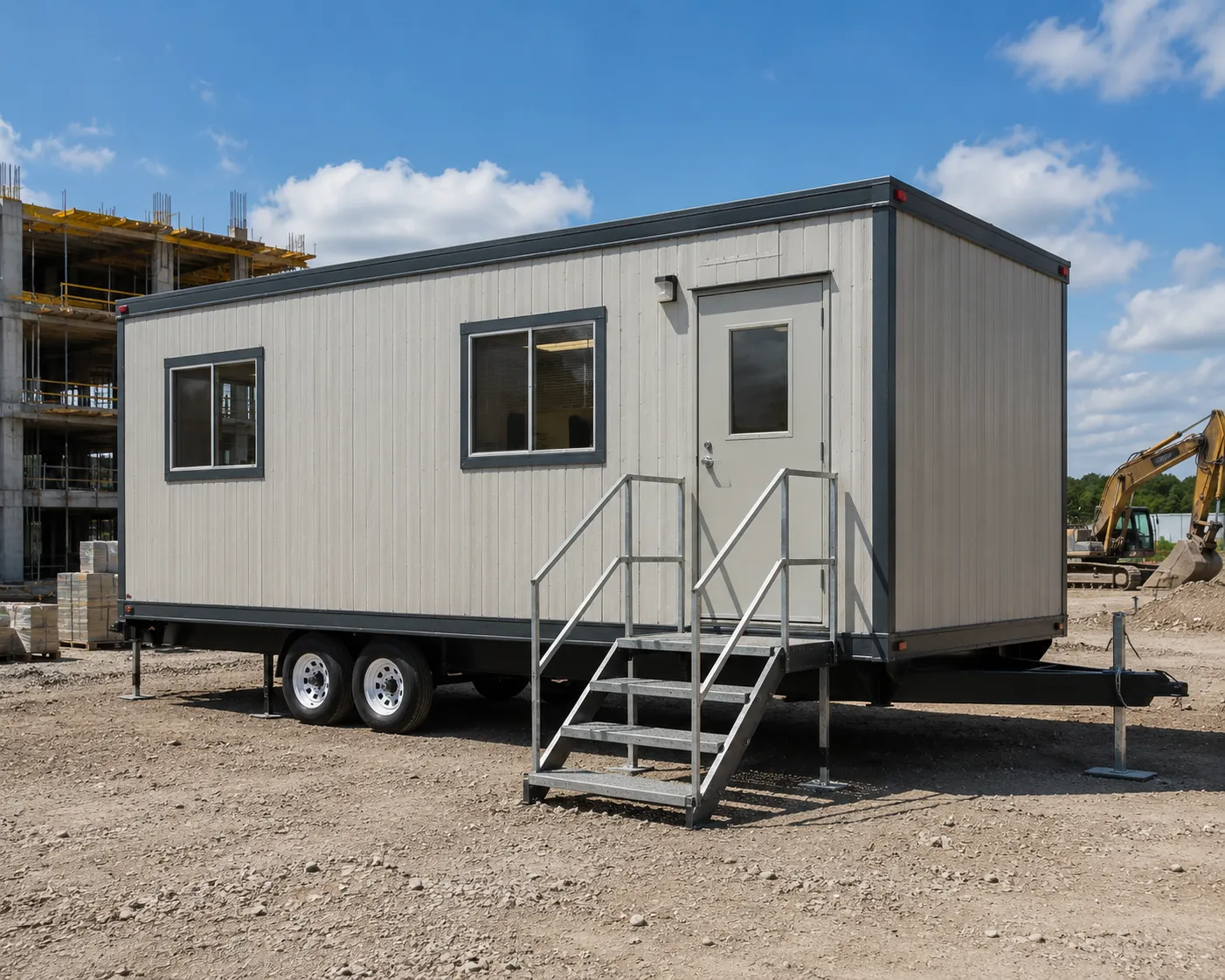
A holding tank is not a septic tank, and it does not follow the 3 to 5 year rule. It is a sealed tank that collects wastewater until it is pumped out, no drain field involved. That makes it useful for temporary setups: construction trailers, remote sites, events without sewer access. Holding tank rental in Glendora works well for short jobs where running a permanent septic line is not practical. Pumping frequency depends entirely on usage volume, not a fixed calendar the way a residential system runs, similar to how a portable sink rental gets serviced by usage rather than a fixed date.
| service | typical interval | driven by |
|---|---|---|
| residential septic tank | 3 to 5 years | tank size, household size |
| grease interceptor | weeks to months | FOG accumulation to 25% depth |
| holding tank | as needed | usage volume, not calendar |
For a septic pump-out, day rate pricing runs in a band from 150 to 300 dollars, and a weekend visit runs lower, from 50 to 150 dollars. Septic pumping service in Glendora covers both scheduled maintenance and one-off pump-outs. If you are weighing a full septic tank cleaning against just a pump, ask the crew on-site; they can tell you which one your tank actually needs, and you can browse the septic tank pumping cost breakdown or the wider FAQ page beforehand if you want to come prepared.
How do I know if my septic tank is due for pumping?
Slow drains, gurgling in the pipes, and soggy ground near the tank are the classic signs. If it has been more than 5 years since the last pump, or you do not know when that was, schedule an inspection. A technician can measure sludge depth directly instead of guessing from symptoms alone.
Does household size change how often I need to pump?
Yes. A 4-person household fills a tank faster than a 2-person household with the same size tank. More people means more solids and more water volume moving through the system daily, which shortens the interval between pump-outs regardless of tank size.
Can I pump my own septic tank?
No. Septic pumping needs a vacuum truck and proper waste disposal, which is not equipment most homeowners have. A septic tank cleaning crew handles the extraction and hauls waste to a licensed disposal site, which is not optional under most local rules.
What is the difference between septic pumping and septic cleaning?
Pumping removes liquid and settled solids from the tank. Cleaning goes further, scraping the tank walls and checking baffles and outlet condition. Most routine visits are pumping only; full cleaning happens less often, often every few pump cycles.
How much does septic pumping cost in Glendora?
Day-rate septic pumping runs 150 to 300 dollars depending on tank size and access. Weekend visits run 50 to 150 dollars. Exact pricing depends on tank size, sludge depth, and how far the truck has to reach your tank access point.
Next step
Get a delivery date
Tell us the address, the dates and the headcount. We size the order and confirm the route.